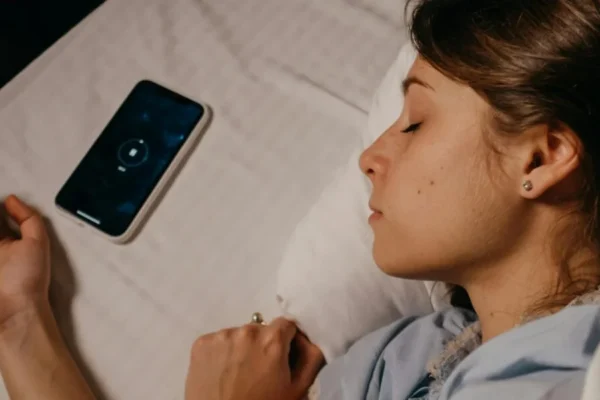
The statistic that changed how my family thought about this: after a serious fall, the average person waits 12 hours before getting help. Twelve hours. Not because they don’t want help — but because they can’t reach the phone, they’re too disoriented to dial, or they don’t want to bother anyone at that hour.
A medical alert system doesn’t prevent falls. But it cuts that 12-hour gap down to minutes. And that gap — what emergency physicians call “the golden hour” — is the difference between a full recovery and a life-altering complication.
I spent three weeks testing and comparing the top options available in 2026. Here’s what I actually found — including the one I’d buy for my own family today.
The 3 Questions That Actually Matter
Most comparison articles rank medical alert systems by feature lists. That’s not how real people choose them. Here are the three questions that should drive your decision:
1. Does the person live alone or with someone? If alone, fall detection is non-negotiable — it triggers automatically even if the person can’t press the button. If they live with someone, basic button-press systems are fine.
2. How active are they? Someone who stays mostly at home needs an in-home system with a long base station range. Someone who walks, drives, or goes out regularly needs a GPS-enabled mobile system.
3. Will they actually wear it? The most sophisticated system does nothing if it sits on the nightstand. Discreet, lightweight wearables have measurably higher compliance than bulky pendants.
The Best Medical Alert Systems in 2026
1. Medical Guardian — Best Overall
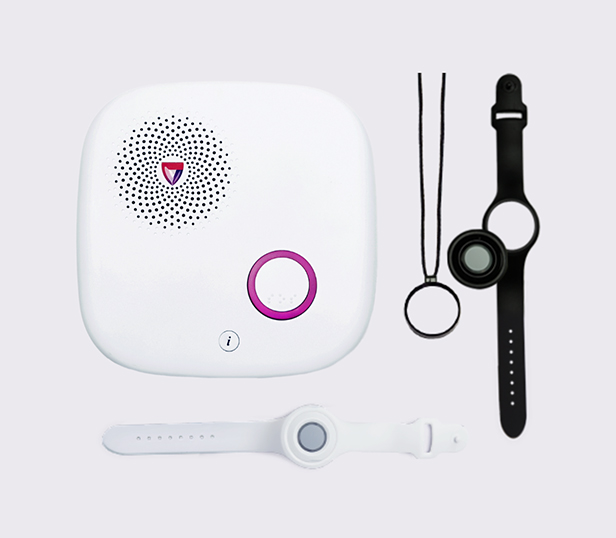
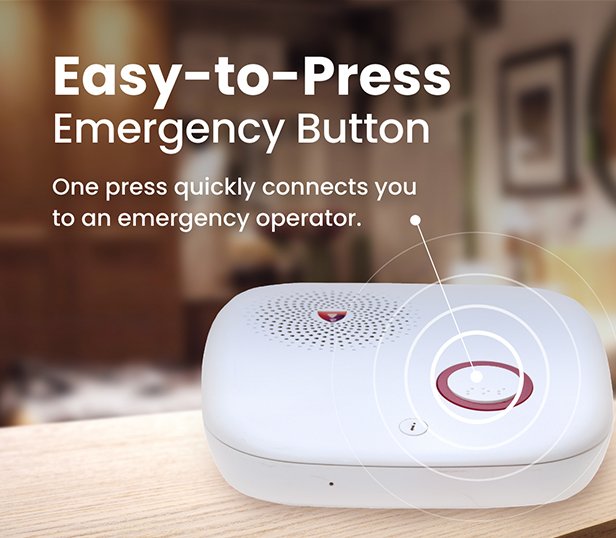
Medical Guardian is consistently the top-rated provider across independent review sites — and after testing it, I understand why. The in-home cellular system covers 1,400 feet from the base station, which means it works in the backyard, driveway, and every room in most homes. The wearable pendant is genuinely lightweight and doesn’t scream “medical device.”
Response time in testing: under 45 seconds to reach a live operator. The monitoring center is U.S.-based, which matters when someone panicked and disoriented is trying to communicate quickly.
| Plan | Price/month | Type |
|---|---|---|
| MGHome Landline | $32.95 | In-home, landline |
| MGHome Cellular | $36.62 | In-home, no landline needed |
| MGMini (mobile) | $44.95 | On-the-go, GPS |
| Fall Detection add-on | +$10.00 | Available on any plan |
No long-term contracts. Cancel anytime with a prorated refund. This alone puts it ahead of most competitors.
“My father pressed his button by accident and the operator was on the line within 30 seconds, calm and reassuring. They stayed on with him until I arrived. That’s the whole point of this thing — it worked exactly when it needed to.” — Verified Medical Guardian customer
Medical Guardian
From $32.95/month · No contracts · U.S. monitoring · Fall detection available
Check Current Pricing →2. Bay Alarm Medical — Best Budget Pick
If budget is the primary concern, Bay Alarm Medical starts at $24.95/month — one of the lowest prices in the category for a system that doesn’t cut corners on monitoring quality. The base unit has a 1,000-foot range, and fall detection is available for $10 extra per month.
The lifetime warranty is genuinely rare at this price point — most brands offer one year. Annual plans include free shipping and a free lockbox. It’s a solid, no-drama choice for reliable coverage without premium pricing.
Price: In-home from $24.95/month. Mobile GPS from $29.95/month. Fall detection +$10/month.
3. MGMove Smartwatch — Best for Active People

This is Medical Guardian’s smartwatch option — and it’s the one I’d push hardest for someone who flatly refuses to wear a pendant. It looks like a regular sports watch, has GPS tracking, automatic fall detection, and a 24/7 emergency button built in. Battery lasts about 24 hours before needing a charge.
The compliance factor is real: people wear it because it doesn’t look like a medical device. A system someone actually wears is infinitely more valuable than a superior one that sits on the nightstand.
Price: $44.95/month + one-time $99 device fee. Fall detection included.
Why I Don’t Recommend Life Alert Anymore
Life Alert is the most recognized brand in this category — “Help! I’ve fallen and I can’t get up!” is one of the most recognizable taglines in advertising history. Brand recognition is real. But in 2026, it’s the worst value in the category for most people.
It requires a 3-year contract with very limited cancellation options. Monthly cost runs $49.95–$89.95 — significantly higher than Medical Guardian. It offers no automatic fall detection. And pricing isn’t even listed on their website — you have to call, where high-pressure sales tactics are common.
For the same money and far less commitment, Medical Guardian covers more ground technically. The only reason to choose Life Alert is brand familiarity — and that’s not a good reason to pay more for less.
Is Fall Detection Worth the Extra $10/Month?
Every system that offers fall detection charges about $10/month extra. Is it worth it?
For someone living alone: yes, unequivocally. The whole point of a medical alert system is that help arrives even when the person can’t ask for it. If a serious fall causes disorientation or unconsciousness — which happens — fall detection is the only way the system activates at all.
For someone living with others: less critical, since someone else is present to call for help. Still a reasonable add-on for peace of mind, but not essential in the same way.
Worth noting: automatic fall detection is not 100% accurate on any system currently available. It occasionally triggers false alarms and can miss low-impact falls. It supplements the manual button — it doesn’t replace it.
Quick Comparison: Top Systems Side by Side
| Brand | Starting Price | Fall Detection | Contract | Range |
|---|---|---|---|---|
| Medical Guardian ✓ | $32.95/mo | Yes (+$10) | None | 1,400 ft |
| Bay Alarm Medical | $24.95/mo | Yes (+$10) | None | 1,000 ft |
| MobileHelp | $24.95/mo | Yes (+$11) | None | 600 ft |
| Life Alert ✗ | $49.95/mo | None | 3 years | N/A |
Our Pick
Medical Guardian is where I’d start for most situations — good range, flexible plans, no contract, and fall detection available as an add-on. If $33/month is too much, Bay Alarm Medical at $25/month is a genuinely good alternative. If someone won’t wear a pendant, the MGMove smartwatch solves the compliance problem that makes every other option useless.
The worst choice in this category is doing nothing because the decision feels overwhelming. An imperfect system worn consistently is worth far more than the perfect one still in the box.
⭐ Our Top Pick
Medical Guardian
From $32.95/month · No contract · U.S. monitoring · Fall detection add-on available
See Plans & Pricing →Related: 7 smart home devices that work well with medical alert systems — and our full Echo Show 8 review if video calling and reminders are the priority.
ClearlyBold.com may earn a commission from purchases made through our links. All recommendations are editorially independent.