The signs are usually there months before the crisis. Here’s what to actually look for — and what to do when you see it.
My friend Sarah didn’t see it coming. She lives four hours from her parents, calls every Sunday, visits on holidays. By all accounts, she was a present daughter. Then last Thanksgiving she walked into her mom’s kitchen and found six expired cartons of milk in the fridge, bills going back three months unopened on the counter, and a bruise on her mom’s wrist her mom couldn’t explain.
“She kept saying everything was fine,” Sarah told me. “She’d been saying everything was fine for months.”
This is how it usually goes. Not a dramatic moment. Not a call from a doctor. Just a slow accumulation of small things that nobody names until one of them becomes a hospital visit.
If you’re reading this, something has probably already caught your attention. Maybe it was a phone call that felt off. A house that looked different on your last visit. A parent who seemed more tired, more forgetful, more fragile than you remembered. You’re not overreacting. Here’s what to actually look for.
The House Will Tell You Before Your Parent Does

Walk through the kitchen first. Not to judge — to pay attention. A parent who used to be tidy leaving dishes in the sink for days isn’t being lazy. Laundry piled up for weeks, mail stacked unopened, food that expired two months ago still in the refrigerator — these aren’t housekeeping failures. They’re signs that the energy required to manage daily life has outpaced what your parent has left.
The most alarming version of this is a scorched pot on the stove. That means they put something on to cook and forgot about it. That’s not an off day. That’s a pattern worth taking seriously.
“When you spend time at the person’s home, you might notice possible trouble spots,” notes the National Institute on Aging. The key word is notice — not fix, not confront. Just observe, and bring it up gently. “Mom, it looks like you don’t have much food in the house. Are you having trouble getting to the store?” That’s it. One question. Leave the door open.
The Bruise They Can’t Explain

Fewer than half of older adults who fall tell their doctor. Even fewer tell their kids. The reasons are always the same: they don’t want to worry you, they don’t want to lose their independence, or they genuinely don’t think it was serious enough to mention.
A bruise on the forearm, the shin, the hip — it might be nothing. It might also be the third time this month they went down and didn’t say a word about it. The CDC is clear on this: falling once doubles the likelihood of falling again. It’s not alarmist to ask. It’s the right thing to do.
Look around the house too. Furniture that’s been moved to create a path to hold onto. A chair pulled close to the bathroom door. Rugs that have been cleared from a walkway. These are things your parent figured out on their own, quietly, without asking for help. That’s actually a sign they’re trying to manage — but also that they know something has changed.
The Medications Are a Mess

This is the one that scares geriatric specialists the most — and the one families are least likely to catch on a holiday visit.
Michele Kuntz, a licensed clinical social worker at the UCHealth Seniors Clinic, puts it directly: “Medication management problems can be indicative of patients failing at home. If they have heart medication that is life-sustaining and are not taking it as directed, this can end up as a hospital visit.”
What you’re looking for: multiple bottles of the same medication (they’re getting refills but not taking the pills), a pill organizer that’s full when it should be empty, confusion about what each medication is for. Also worth knowing — certain medications commonly prescribed to older adults, including some blood pressure drugs and sedatives, significantly increase fall risk as a side effect. That connection between the pill bottles and the unexplained bruise? It’s real.
Ask to go through the medications together. Not as an audit. As someone who wants to understand what they’re taking so you can help in an emergency. Most parents will let you do that.
They’ve Stopped Looking Like Themselves

This one requires honesty. When a parent who always cared about their appearance stops bathing regularly, wears the same clothes for days, or lets their grooming go in ways that feel out of character — something is wrong. Not morally. Medically or emotionally.
It might be physical: getting in and out of the shower has become genuinely difficult, or painful, or scary. It might be depression — which is dramatically underdiagnosed in older adults and is frequently mistaken for “just getting older.” When your ordinarily elegant mom stops bathing, that’s a signal that something may be preventing her from doing what she typically does.
Don’t comment on the hygiene directly. Ask about the shower — is it easy to get in and out? Ask how they’ve been sleeping. Ask if they’ve been feeling low. You’re looking for the cause, not just the symptom.
The Refrigerator Tells a Story

Open it. Really look. Is there actual food in there, or just condiments and things that expired weeks ago? Has the stove been used recently? Is there anything in the pantry?
Unintentional weight loss in an older adult is one of the more serious warning signs — serious enough that it should prompt a doctor’s visit, not just a concerned conversation. It can come from difficulty cooking, from depression killing the appetite, from medications with side effects, from not being able to get to the grocery store anymore. The cause matters, because the cause determines what actually helps.
If you notice significant weight loss, go to the next doctor’s appointment with them. Write down what you’ve observed. Physicians often rely heavily on what family members report, because older adults frequently underreport symptoms — not to deceive anyone, but because they’ve normalized things that shouldn’t be normal.
The Bills Are Piling Up

A parent who handled their finances meticulously for decades suddenly missing payments, writing checks to organizations they can’t explain, or carrying a wallet full of cash they can’t account for — this is one of the earlier signs of cognitive change, and one of the most overlooked.
It’s also a safety issue. Older adults are disproportionately targeted by scams, and even mild cognitive decline increases vulnerability significantly. Having a financial power of attorney in place is important, especially if there is any concern about memory loss — once a dementia diagnosis is in place, the older adult is not legally able to sign a POA. That window matters.
Offer to review bills together. Set up automatic payments for the fixed monthly expenses. Frame it as wanting to help, not wanting to take over — because that framing is the difference between them letting you in and them shutting down.
They’ve Gotten Quiet

The parent who used to call every few days and now goes a week without reaching out. The one who turned down the church group they’ve attended for twenty years. The one who stopped asking about your life because they don’t have much to say about their own.
Social isolation in older adults is not a personality quirk. It’s a health risk. Research consistently connects isolation to faster cognitive decline, higher rates of depression, and worse physical health outcomes across the board. And the causes are often practical and fixable: they can’t hear well enough to make phone calls comfortable. Mobility has made getting out of the house feel like too much effort. They lost a close friend and haven’t found their footing since.
Call more. Visit when you can. And when you visit, pay attention to whether they light up — or whether they seem like they’ve been alone with their own thoughts for a very long time.
You’re Worried About Them Driving
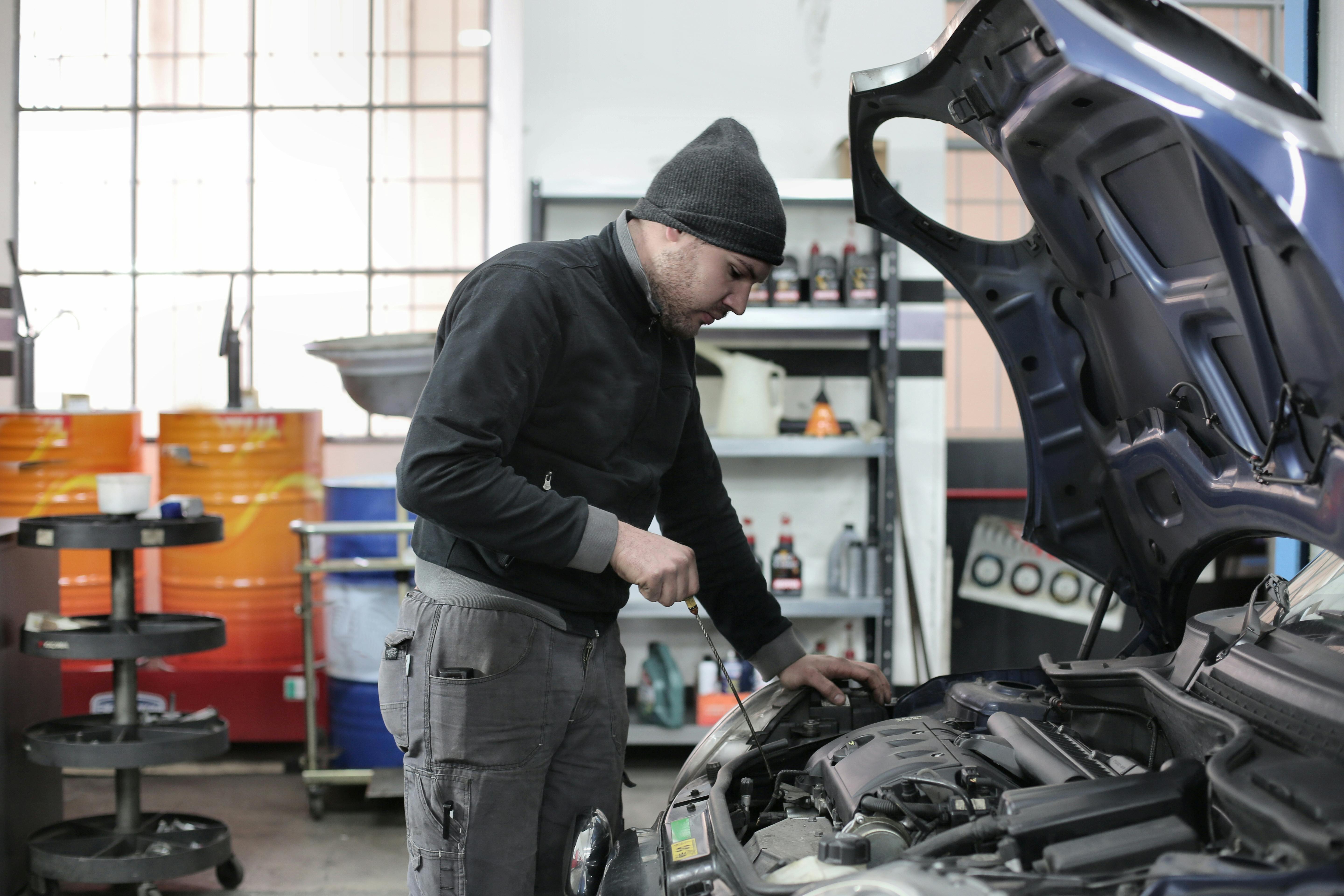
Nobody wants to have this conversation. The car is independence. Taking away the keys feels like taking away a piece of who they are. But if you’ve noticed new scrapes on the bumper that weren’t there last time, or your parent got turned around on a route they’ve driven for thirty years, or a neighbor mentioned something — you’re not imagining things.
The most useful move before the conversation is to build alternatives. If your parent knows that getting to the grocery store or the doctor doesn’t require them to drive — that there’s a reliable, dignified way to get there — the conversation about the car becomes much less threatening. No family member wants to be the person who takes away the keys. But being the person who helps them stay mobile and independent without a car? That’s a completely different role.
The Memory Stuff That Isn’t Just Forgetting Names
Everybody forgets names. Everybody walks into a room and loses the thought. That’s not what we’re talking about.
We’re talking about asking the same question four times in a twenty-minute conversation. Getting genuinely disoriented in a place they’ve been a hundred times. Forgetting what a familiar object is for. Personality shifts that feel out of character — more irritable, more suspicious, more anxious than they used to be.
Here’s the thing most families don’t know: early cognitive changes are not automatically dementia. Medication interactions, thyroid problems, vitamin B12 deficiency, sleep disorders, untreated depression — these can all produce memory and cognitive symptoms that look alarming and are completely reversible with treatment. The only way to know the difference is a proper geriatric evaluation. And the earlier you get one, the more options you have.
If you’re going to bring it up, bring specifics. Not “I’m worried about your memory” — that puts people on the defensive immediately. Instead: “Dad, I noticed a couple of times lately that you asked me the same thing a few minutes apart. I’m not worried, I just want to make sure everything’s okay. Can we mention it to your doctor?” Specific, calm, not an accusation.
What To Do When You’ve Seen Enough
Here’s the honest version: you probably won’t get this exactly right the first time. Most families don’t. The first conversation often goes sideways. Your parent pushes back. You back down. Life goes on until the next visit.
That’s normal. What matters is that you keep having the conversation — not as a single intervention, but as an ongoing part of the relationship. Dr. Hillary Lum, a geriatrician at the University of Colorado School of Medicine, recommends building a baseline through regular check-ins long before a crisis appears. “The best time to have the conversation is before something goes wrong,” she says. “Then when something changes, you notice it.”
You noticed it. That’s why you’re reading this. That’s already the first step.
Frequently Asked Questions
What are the first signs that an elderly parent needs help at home?
The earliest signs are usually changes in the home environment — dishes piling up, expired food, unopened mail — combined with subtle shifts in appearance or energy. A parent who seems more tired, more withdrawn, or less like themselves than they used to be is worth paying attention to, even before anything specific has gone wrong.
How do I bring this up without starting a fight?
Lead with curiosity, not concern. Instead of “I’m worried about you,” try “How have you been feeling lately? Is there anything that’s felt harder than it used to?” One question, gently asked, opens more doors than a list of observations ever will. And accept that the first conversation may not go well — it often doesn’t. What matters is keeping the door open.
Does this mean they need to move to assisted living?
Not necessarily, and often not. Many families address early warning signs with modest changes: a part-time home aide a few hours a week, automatic medication reminders, grocery delivery, safety modifications in the bathroom. The goal for most families is to support aging in place — staying home — safely and for as long as possible.
What if my parent insists everything is fine?
Keep showing up. Keep asking. The resistance usually isn’t about the help itself — it’s about what accepting help means to them. When the framing shifts from “you need help” to “I want to make sure you can keep doing things the way you want to,” most people eventually come around.
If you’ve started thinking about what changes might actually help, our guide to the best smart home devices for aging parents covers the practical side — what real families use and why. We also have a full breakdown of home health monitoring devices worth knowing about.
ClearlyBold.com may earn a commission from purchases made through our links. All recommendations are editorially independent.