You’ve been Googling “how to talk to parents about smart home technology” at midnight — and finding mostly generic advice that doesn’t account for the real conversation. The one where your dad crosses his arms and says “I managed fine before all this.” The one where your mom goes quiet and you can tell she feels like you’re treating her like a child.
You already know a video doorbell would stop him rushing to the door. You know a medical alert system would give you both peace of mind. You know the Echo Show would let you video call every morning without scheduling it. The technology isn’t the problem. The conversation is.
Here’s how to talk to your parents about smart home technology in a way that actually works — without the argument, and without making them feel like a burden.
Why Knowing How to Talk to Parents About Smart Home Technology Actually Matters
Most adult children approach this conversation from the wrong angle: they lead with their own worry. “I’m scared you’ll fall.” “I can’t sleep knowing you’re alone.” “What if something happens and I can’t reach you?”
The problem is that this immediately puts your parent in the role of the problem — something to be managed and protected. Nobody wants to feel that way, especially someone who has spent decades being the capable, competent person in the family.
The conversation works when you make it about their independence, not your anxiety.
The Right Way to Start the Conversation
Lead with what the technology gives them, not what it gives you. Instead of “I want to get you a medical alert system so I know you’re safe,” try “There’s a device that means you’d never have to wait for help if something happened — you’d have it instantly, without depending on anyone.”
The framing shifts from dependence to empowerment. The Medical Guardian Medical Alert System — Independence and Emergency Response isn’t a sign that they can’t manage — it’s a tool that means they can manage more independently, not less.
How to Talk to Parents About Smart Home Technology: Start Small
Don’t arrive with a list of 7 devices and a plan for the whole house. Pick one thing that solves a specific, acknowledged problem your parent has already mentioned.
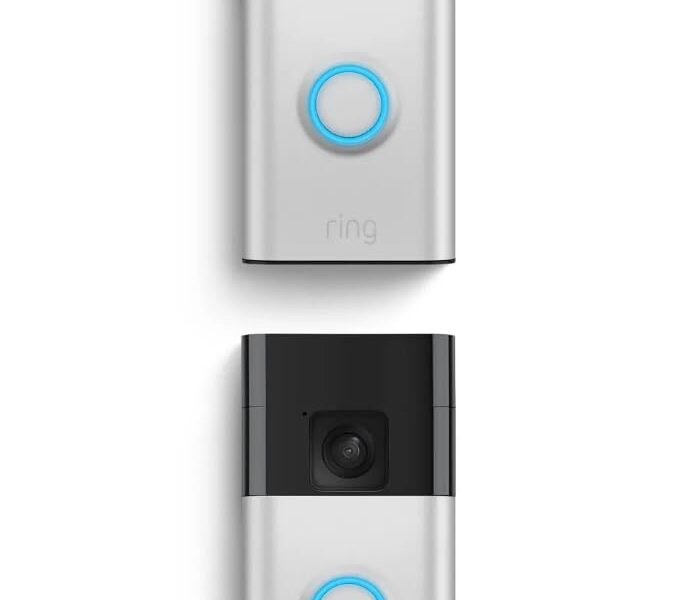
If they’ve complained about not being able to hear the doorbell — bring the Ring Video Doorbell — See Visitors from Anywhere. If they’ve mentioned forgetting to take medication — bring the Automatic Pill Dispenser — Never Miss a Dose. Solve the problem they’ve identified, not the problem you’ve identified.
Install It Together, Not For Them
There’s a big difference between showing up with a device already set up and setting it up together. The second approach keeps your parent in control — they’re making decisions, not receiving them. Ask questions: “Where do you think would be the best place for this?” “Do you want the light on or off by default?” “What name do you want to use for the house?”
When the Amazon Echo Show 8 — Voice Control Smart Display is set up the way they decided, they’re far more likely to actually use it.
Give It a Trial Period, Not a Commitment
“Just try it for two weeks. If you hate it, we’ll take it back.” This removes the pressure of a permanent decision and gives your parent an out — which paradoxically makes them more likely to try it. Most people who try these devices for two weeks don’t give them back.
This is one of the most effective tactics when you’re figuring out how to talk to parents about smart home technology — it turns a scary permanent change into a low-stakes experiment.
Check In, Don’t Check Up
After the device is set up, the follow-up matters. Call to ask how it’s going — not to verify they’re using it correctly, but because you’re genuinely interested. “Did Alexa remind you about your appointment?” “Did anyone come to the door today?” These questions make the technology feel like a shared experience rather than surveillance.
The Conversation Is Ongoing
Learning how to talk to parents about smart home technology isn’t a one-time skill — it’s an ongoing relationship with technology that evolves as your parent’s needs evolve. What works at 72 may need updating at 78. Stay curious, stay patient, and let your parent lead wherever possible.
The goal was never the devices. It was keeping them home, independent, and connected to the people they love. The technology is just how you get there.
Ready to start? Read our guide on the 7 best smart home devices for aging parents to see where most families begin.
ClearlyBold.com may earn a commission from purchases made through our links. All recommendations are editorially independent.